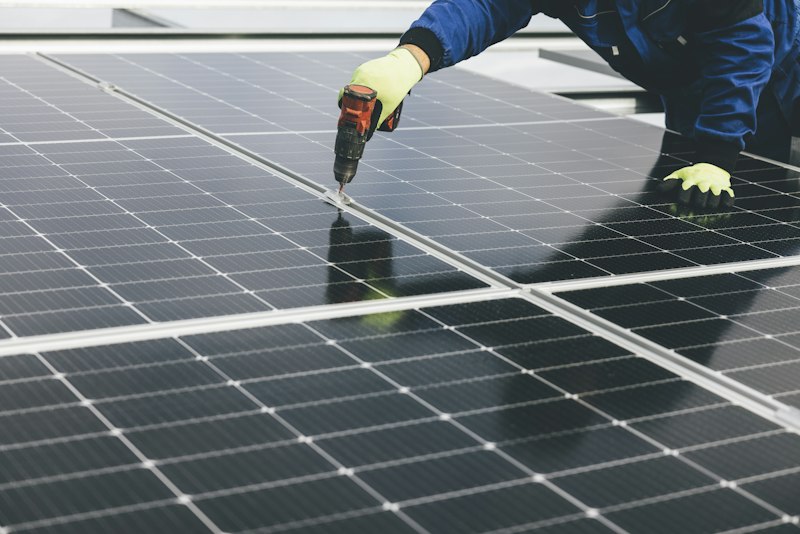
A homeowner who installs a cheap solar system saves money on day one and spends it back — plus more — over the following decade in maintenance costs, efficiency losses, and eventual panel replacement. A homeowner who installs a quality system pays more upfront and, in most cases, is still running on original equipment twenty years later. The premium is not a luxury charge. It's a risk transfer — paying now to avoid paying more later.
This lesson from renewable energy applies more broadly than most people realize.
Every electrician who's been in the trade long enough has seen both ends of this decision. The job that was cheap to install and expensive to maintain. The job that cost more upfront and ran cleanly for thirty years without a callback. The difference is almost always materials and specification — whether the equipment chosen was genuinely rated for the load, the environment, and the expected service life, or whether it was chosen to hit a price point on an estimate.
Solar panels are a clear example because the performance data is measurable over time. A panel rated at 25-year performance from a quality manufacturer typically delivers on that rating. A panel from a no-name factory at a significant discount typically shows efficiency degradation by year eight and failure by year fifteen. The upfront savings evaporate and then go negative.
The framework works everywhere there's a quality spectrum: tools, appliances, vehicles, clothing, watches.
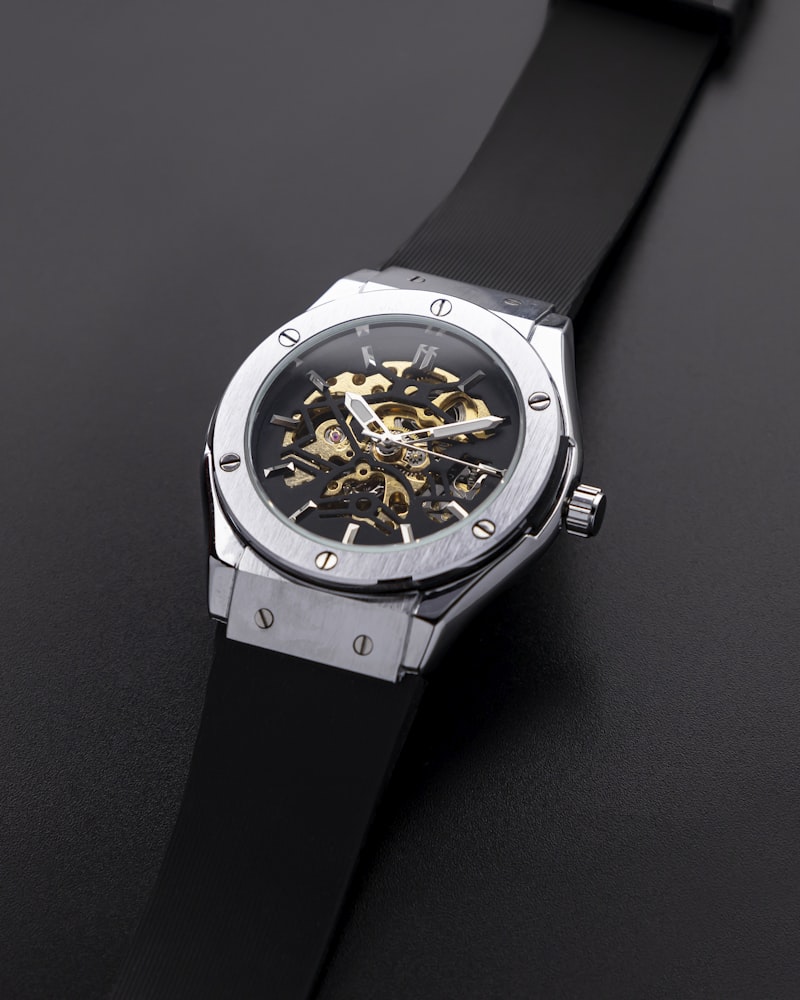
Premium Swiss-grade watches built to genuine specification — 904L stainless steel, ceramic bezels, cloned mechanical movements with proper lubrication and regulation — illustrate the same principle. A mechanical watch serviced every five to seven years runs for decades. The movement in a well-built super clone Rolex, maintained correctly, will outlast every battery-operated fashion watch at any price point.
The fashion watch purchased at a mall retailer for $80 looks comparable at six months. At three years, the plating has worn through at the lugs, the crystal has accumulated deep scratches, and the quartz battery has been replaced twice. At five years, the bracelet has stretched beyond adjustment and the watch has been discarded.
The quality piece, purchased once, maintained occasionally, still runs correctly in year fifteen.
The renewable energy industry has done something valuable beyond reducing carbon emissions: it's given homeowners and business owners a framework for thinking about total cost of ownership rather than purchase price. Payback period. Levelized cost of energy. Expected service life versus warranty coverage.
These are purchasing metrics that belong everywhere. What does this item actually cost per year of useful service? What is the maintenance burden? What is the failure rate at year five? At year ten?
Applied to any category of purchase, these questions shift the decision away from sticker price and toward genuine value — which is almost always found in the higher-quality tier, not the budget tier.
Quality solar, quality electrical installation, quality tools, quality timepieces — the pattern is consistent. Pay for the specification. Maintain what you buy. Replace it when it actually fails, not when the warranty runs out.
The upfront premium almost never looks as large in retrospect as it did at the moment of purchase. The cost of replacement — not just financial, but in time, in frustration, in the work of starting over — always looks larger than it did when the cheap option seemed reasonable.
Invest in quality. The math works out.